

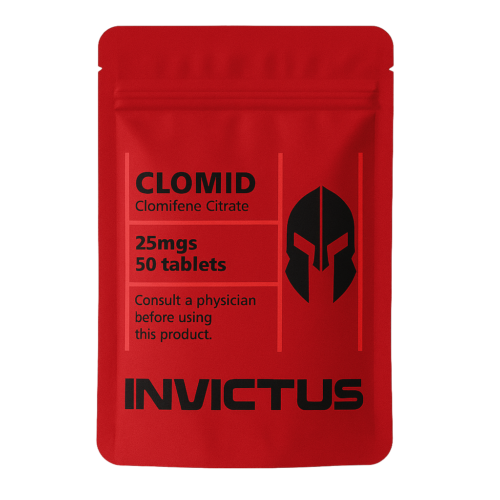
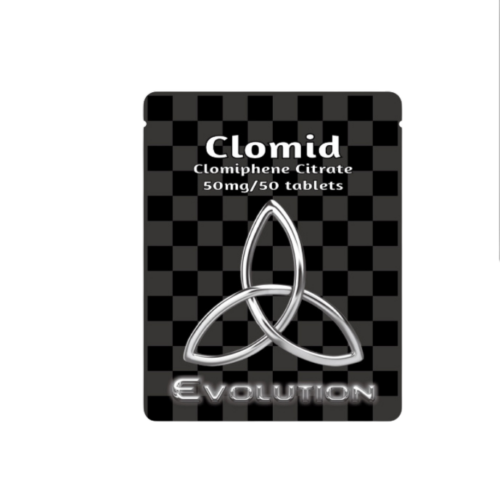


Clomid (Clomiphene Citrate)
Clomid (Clomiphene Citrate) is a selective estrogen receptor modulator (SERM) commonly used in fertility treatments. It works by blocking estrogen receptors in the hypothalamus, which increases the release of gonadotropins (LH and FSH) from the pituitary gland. This leads to the stimulation of ovulation in women, and it can also be used off-label in men to treat low testosterone levels or to stimulate natural testosterone production during or after a steroid cycle.
Key Benefits:
- Boosts Natural Testosterone Production: In men, Clomid can stimulate the production of natural testosterone by increasing LH and FSH release.
- Fertility Support: Clomid is used to treat female infertility by stimulating ovulation.
- Restores Hormonal Balance: Helps restore natural testosterone production and balance hormonal levels, especially after a performance-enhancing drug cycle.
- Non-invasive: Clomid is taken orally, making it a less invasive option compared to other hormone treatments or therapies.
How It Works: Clomid works by blocking estrogen receptors in the hypothalamus, which tricks the body into thinking estrogen levels are low. This increases the secretion of gonadotropins (LH and FSH) from the pituitary gland, stimulating the testes in men to produce more testosterone. In women, it promotes the production of eggs by stimulating ovulation.
Recommended Use:
- Dosage: For men, the typical dose ranges from 25 mg to 50 mg daily, depending on individual needs. Women generally take 50 mg daily for five days at the beginning of their cycle, but the dosage can be adjusted by a healthcare provider.
- Cycle Length: A Clomid cycle typically lasts 4–6 weeks for men. For women undergoing fertility treatment, the cycle length can vary depending on the specific treatment protocol.
- Administration: Clomid is taken orally in tablet form, usually once daily.
Safety and Recommendations:
- Monitor Hormonal Levels: Regular blood tests to monitor testosterone and estrogen levels are recommended to ensure proper hormonal balance during use.
- Possible Side Effects: Some individuals may experience side effects such as mood swings, headaches, or visual disturbances. These are generally mild and resolve after discontinuation of the drug.
- Post-Cycle Therapy (PCT): Clomid is often used as part of a post-cycle therapy (PCT) regimen to help restore natural testosterone production following a steroid cycle.
Always consult with a healthcare professional or with one of our wellness experts before starting Clomid or any other hormone-related treatment.
Related products