$350
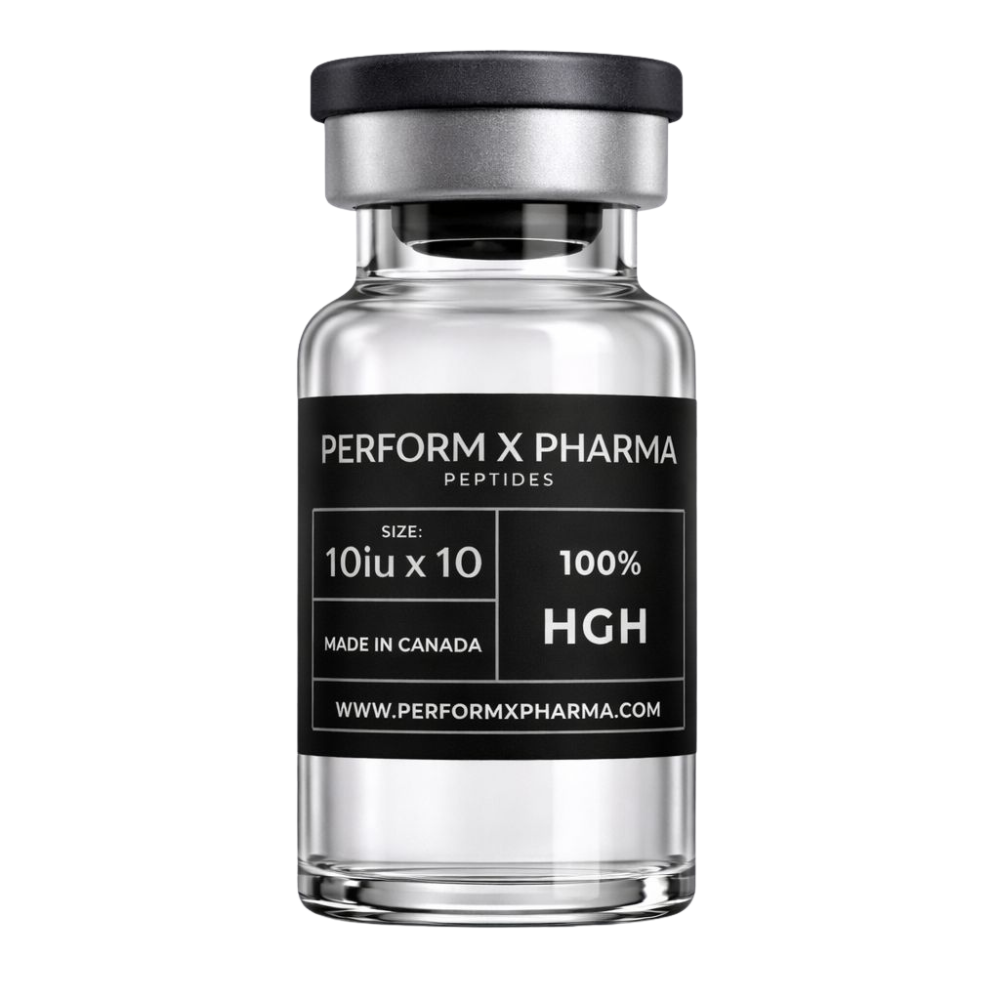
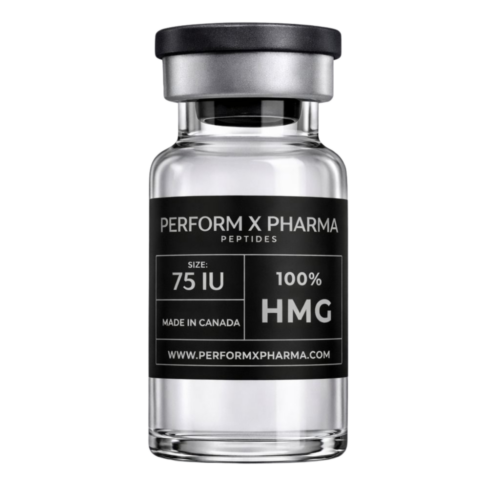
Human Growth Hormone (HGH)
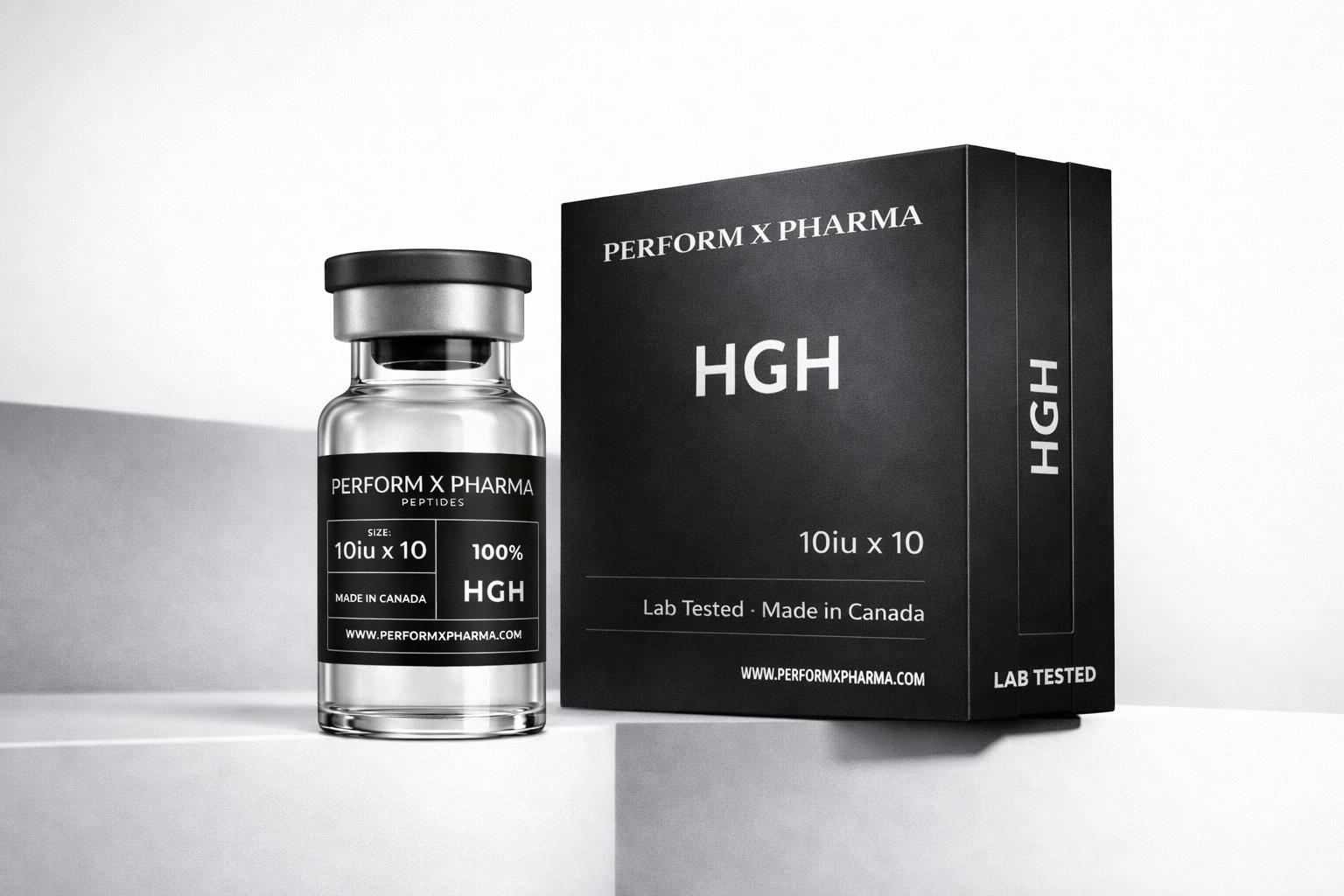
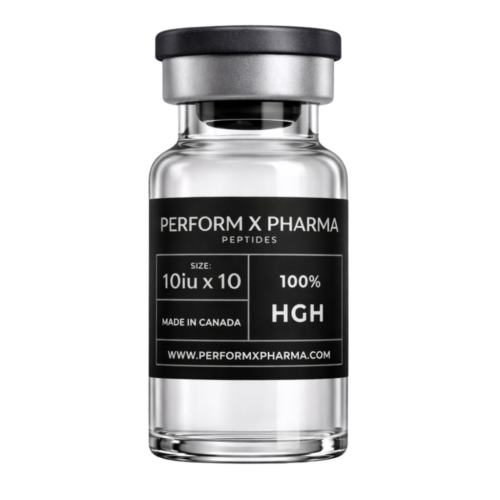
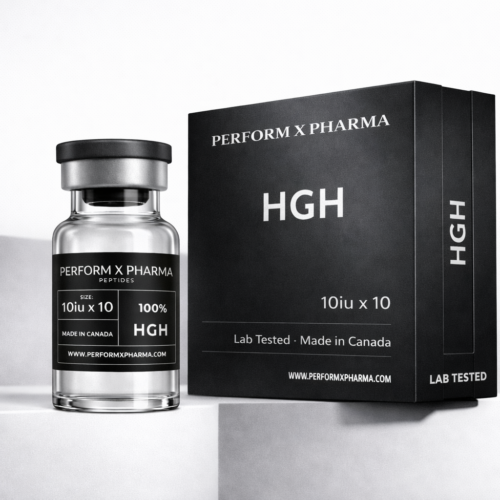
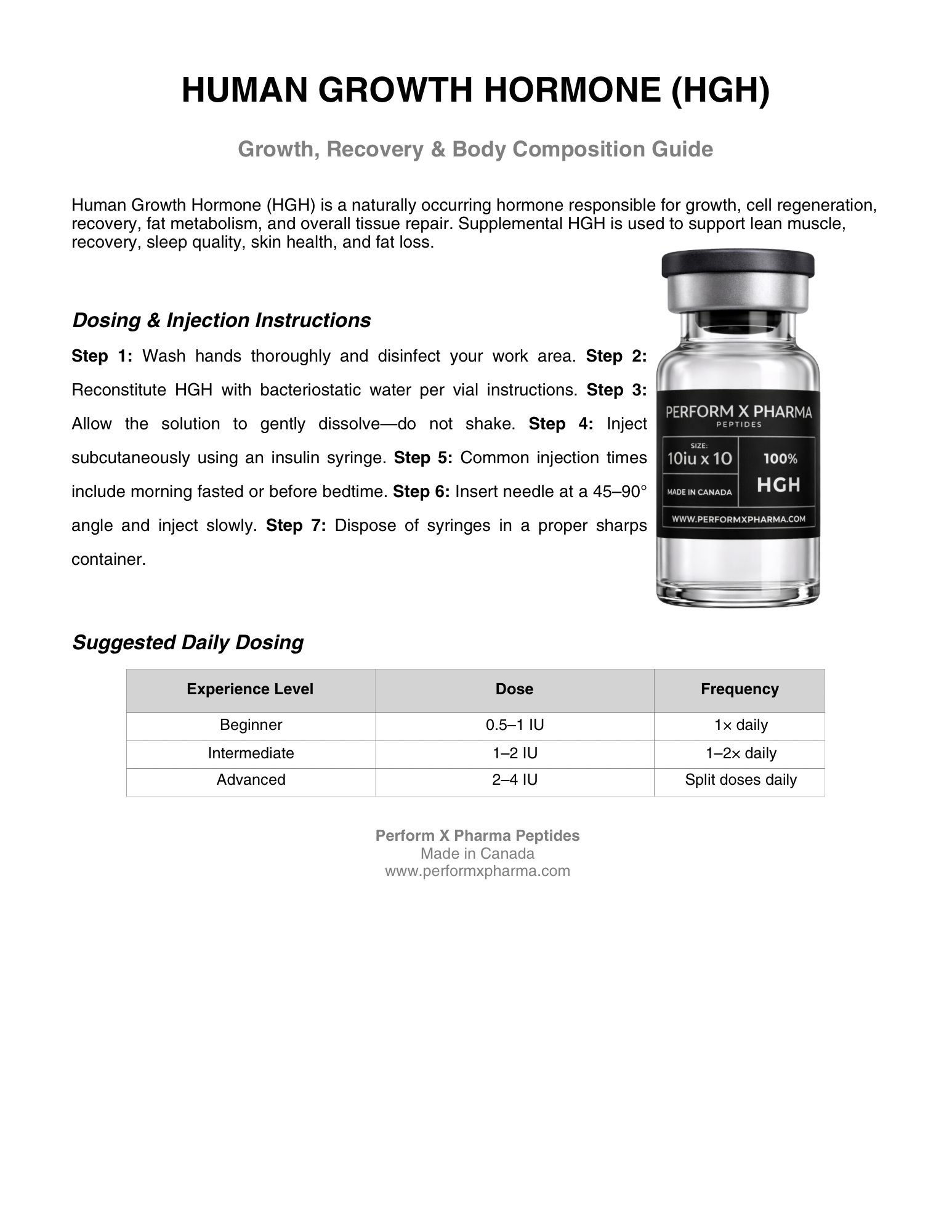
Human Growth Hormone (HGH) is a peptide hormone that plays a crucial role in metabolism, muscle growth, fat loss, and overall recovery. It is widely used for performance enhancement, anti-aging, and tissue repair due to its ability to promote lean body mass and cellular regeneration.
Human Growth Hormone (HGH)
Human Growth Hormone (HGH) is a peptide hormone that plays a crucial role in metabolism, muscle growth, fat loss, and overall recovery. It is widely used for performance enhancement, anti-aging, and tissue repair due to its ability to promote lean body mass and cellular regeneration.
Key Benefits:
- Increases lean muscle mass by enhancing protein synthesis and nitrogen retention.
- Accelerates fat loss by mobilizing stored fat for energy.
- Improves recovery and injury healing by promoting tissue repair.
- Enhances skin, hair, and joint health through increased collagen production.
- Boosts endurance and overall energy levels by supporting cellular function.
How It Works:
HGH stimulates the liver to produce Insulin-Like Growth Factor 1 (IGF-1), which plays a key role in muscle growth, fat metabolism, and recovery. It increases protein synthesis, enhances fat oxidation, and promotes cell regeneration. Unlike anabolic compounds, HGH works gradually and provides long-term, sustainable improvements in body composition and overall performance.
Recommended Use:
-
Dosage:
- Fat Loss & Anti-Aging: 1–2 IU per day.
- Performance & Recovery: 2–4 IU per day.
- Muscle Growth: 4–6 IU per day.
- Advanced Use: Some experienced users may go up to 10 IU daily, but higher doses increase the risk of side effects.
-
Administration:
- Best taken subcutaneously in the morning or before bed for fat loss, or post-workout for muscle growth.
- Typically injected daily or in a 5-days-on, 2-days-off protocol to mimic natural HGH release.
Stacking Recommendations:
- For Muscle Growth & Recovery: Commonly stacked with testosterone, IGF-1, or insulin for enhanced anabolic effects.
- For Fat Loss & Conditioning: Often combined with Clenbuterol or Cytomel (T3) for increased metabolic rate.
- For Anti-Aging & Longevity: Lower doses are sometimes paired with peptides like GHRP-2, GHRP-6, or CJC-1295 to stimulate natural HGH production.
Safety and Recommendations:
- Possible side effects include water retention, carpal tunnel syndrome, increased appetite, and insulin resistance. Higher doses can lead to organ growth and blood sugar dysregulation.
- Regular blood work is recommended to monitor IGF-1 levels, blood sugar, and thyroid function.
- HGH is typically used for 3–6 months, as it works gradually over time.
Always consult with a healthcare professional or with one of our wellness experts before starting any performance-enhancing regimen.
Related products
Peptides
Peptides